
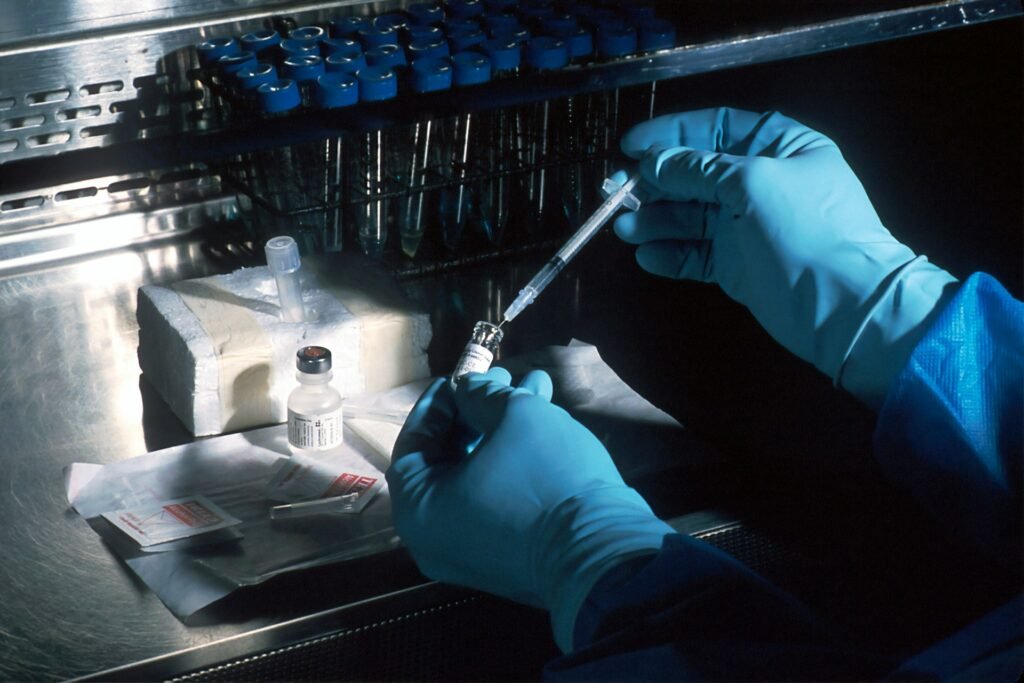
Biotechnology is rapidly transforming the way we approach healthcare, agriculture, and environmental sustainability. By harnessing biological systems and organisms, biotech innovations are solving some of the world’s most complex challenges—from developing life-saving medicines to creating sustainable food sources.
As global populations grow and environmental pressures increase, biotechnology is becoming one of the most powerful tools to shape a healthier and more sustainable future.
Biotechnology in Modern Healthcare
One of the most significant impacts of biotechnology can be seen in modern medicine. Advances in genetic engineering, molecular biology, and cell therapy are enabling scientists to develop highly targeted treatments for diseases that were once considered untreatable.
Biotechnology has made it possible to produce advanced therapies such as:
- Personalized medicines tailored to a patient’s genetic profile
- Monoclonal antibody treatments for cancer and autoimmune diseases
- mRNA vaccines that can be rapidly developed to combat emerging viruses
- Gene therapies designed to correct inherited genetic disorders
These breakthroughs are helping healthcare providers move from reactive treatments toward more precise, preventative, and personalized care.
Revolutionizing Agriculture
Biotechnology is also playing a vital role in improving agricultural productivity and food security. With the global population expected to reach nearly 10 billion by 2050, sustainable food production is a critical challenge.
Through biotechnology, scientists are developing crops that are:
- More resistant to pests and diseases
- Capable of growing in harsh climates
- More nutritious and higher yielding
- Less dependent on chemical pesticides
These innovations not only help farmers improve productivity but also reduce environmental impact by promoting more sustainable farming practices.
Environmental and Industrial Applications
Beyond healthcare and agriculture, biotechnology is driving innovation in environmental protection and industrial processes. Bio-based technologies are helping industries reduce waste, lower carbon emissions, and produce sustainable materials.
Examples include:
- Biodegradable plastics created from renewable biological sources
- Microbial solutions for cleaning polluted water and soil
- Biofuels derived from plant and microbial biomass
- Enzymes that enable cleaner and more efficient manufacturing processes
These solutions demonstrate how biotechnology can contribute to building a circular and sustainable economy.
The Role of Innovation and Research
Continuous research and collaboration are at the heart of biotech progress. Universities, research institutes, startups, and global biotech companies are working together to accelerate discoveries and bring new solutions to market.
Investment in research and development, advanced laboratory technologies, and skilled scientific talent is critical to unlocking the full potential of biotechnology.
Looking Ahead
The future of biotechnology holds immense promise. Emerging technologies such as synthetic biology, CRISPR gene editing, artificial intelligence in drug discovery, and regenerative medicine are opening entirely new possibilities.
As these technologies continue to evolve, biotechnology will remain at the forefront of solving global challenges—improving human health, protecting our environment, and ensuring sustainable development for generations to come.
Organizations that embrace innovation, scientific excellence, and responsible development will play a key role in shaping this exciting future.